

SMS Bombing Attack: Complete Guide to Understanding, Preventing, and Protecting Yourself

Table Of Content
- What Is an SMS Bombing Attack?
- How SMS Bombing Works
- Key Mechanisms Behind SMS Bombing
- Types of SMS Bombing Attacks
- 1. OTP Flooding Attacks
- 2. Subscription Bombing
- 3. Bulk SMS Spam Attacks
- 4. API Exploitation Attacks
- Impact of SMS Bombing Attacks
- 1. Device Disruption
- 2. Communication Breakdown
- 3. Psychological Stress
- 4. Security Risks
- Why SMS Bombing Is Dangerous
- How to Identify an SMS Bombing Attack
- How to Prevent SMS Bombing Attacks
- 1. Limit Exposure of Your Phone Number
- 2. Enable Security Features
- 3. Use Spam Filters
- 4. Avoid Suspicious Links
- 5. Register for Do Not Disturb (DND) Services
- How to Stop an Ongoing SMS Bombing Attack
- 1. Activate SMS Blocking
- 2. Contact Your Telecom Provider
- 3. Enable Airplane Mode (Temporary Relief)
- 4. Use Call and Message Filtering Apps
- 5. Report Cyber Harassment
- Best Practices for Long-Term Protection
- Legal Perspective of SMS Bombing
- Future Trends and Evolving Threats
- Conclusion
What Is an SMS Bombing Attack?
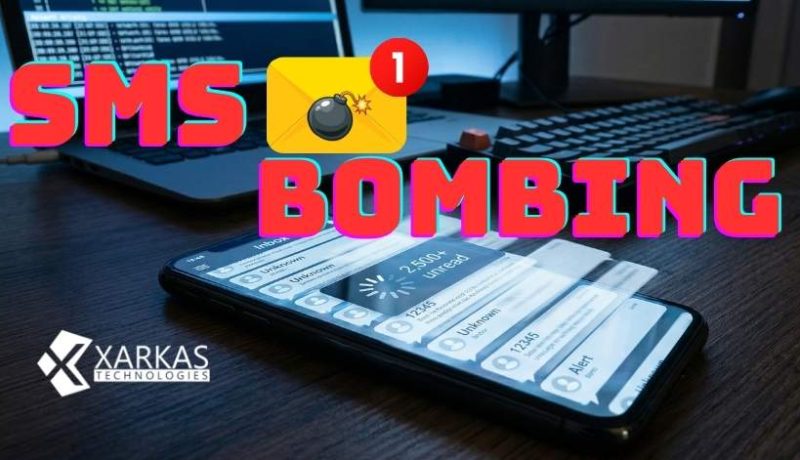
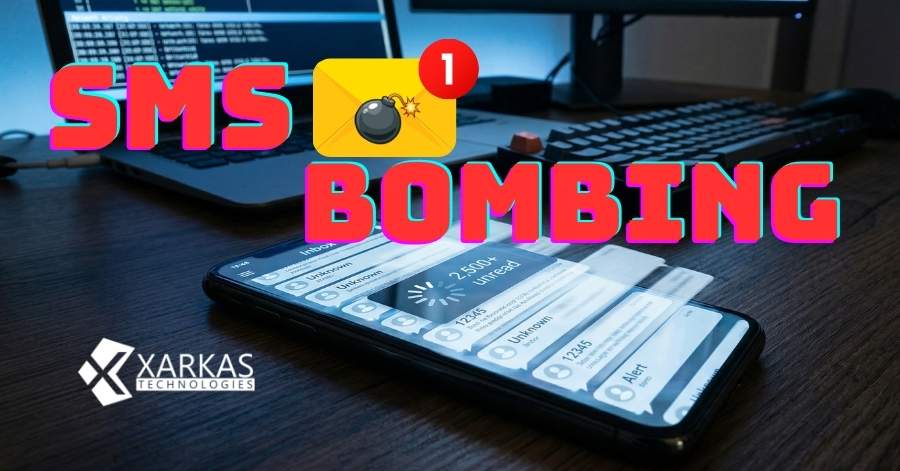
An SMS bombing attack is a form of digital harassment or denial-of-service tactic where a target’s phone number is flooded with a massive volume of text messages within a short period. These messages often originate from automated systems, malicious scripts, or exploited online services. The intent is to overwhelm the recipient’s device, disrupt normal communication, and create inconvenience or panic.
We observe that such attacks are increasingly being used not only for pranks but also for more serious purposes like cyber harassment, revenge tactics, and targeted disruption. The attack may include one-time passwords (OTPs), promotional messages, or repeated verification requests from legitimate platforms.
How SMS Bombing Works
At its core, an SMS bombing attack leverages automation. Attackers exploit online forms, APIs, or messaging services that send automated SMS confirmations. By repeatedly triggering these services using a victim’s phone number, thousands of messages can be generated in minutes.
Key Mechanisms Behind SMS Bombing
- Automated Scripts: Bots send repeated requests to services requiring phone verification
- Exploiting OTP Systems: Attackers trigger OTP requests from multiple platforms
- Bulk Messaging Tools: Misused software designed for marketing or notifications
- Third-Party APIs: Vulnerable APIs allow repeated SMS triggers without strict rate limits
The result is a flood of incoming messages, making the device unusable and potentially causing service disruptions.
Types of SMS Bombing Attacks
1. OTP Flooding Attacks
These attacks involve repeatedly triggering OTP requests from various websites or apps. The victim receives continuous authentication messages, creating confusion and blocking legitimate access.
2. Subscription Bombing
Attackers sign up the victim’s number for multiple services, newsletters, or alerts, causing a constant stream of unwanted SMS messages.
3. Bulk SMS Spam Attacks
Using bulk messaging systems, attackers send repeated promotional or random messages directly to the target number.
4. API Exploitation Attacks
Attackers exploit poorly secured APIs that allow unlimited SMS requests, resulting in uncontrolled message delivery.
Impact of SMS Bombing Attacks
The consequences of an SMS bombing attack go beyond annoyance. We identify several critical impacts:
1. Device Disruption
Continuous incoming messages can freeze or slow down smartphones, making them difficult to use.
2. Communication Breakdown
Important calls or messages may be missed due to the overwhelming influx of SMS notifications.
3. Psychological Stress
Victims often experience anxiety, frustration, and panic, especially if the attack persists.
4. Security Risks
Frequent OTP messages may indicate attempts to access sensitive accounts, posing a serious cybersecurity threat.
Why SMS Bombing Is Dangerous
An SMS bombing attack is not just a harmless prank. It can escalate into a serious cyber threat when combined with other malicious activities.
- Account Takeover Attempts: Attackers may simultaneously try to breach accounts
- Data Breach Risks: Flooding with OTPs can mask real hacking attempts
- Targeted Harassment: Used as a tool for personal or professional intimidation
- Service Denial: Prevents legitimate communication and access
The growing reliance on mobile-based authentication makes such attacks increasingly dangerous.
How to Identify an SMS Bombing Attack
Recognizing the signs early is essential for minimizing damage. Common indicators include:
- Receiving hundreds of SMS messages within minutes
- Multiple OTP messages from different platforms
- Unknown subscription confirmations
- Continuous alerts even after ignoring messages
If these symptoms occur, it is highly likely that the number is under an SMS bombing attack.
How to Prevent SMS Bombing Attacks
1. Limit Exposure of Your Phone Number
Avoid sharing your number on untrusted websites, forums, or public platforms. The more exposed your number is, the higher the risk.
2. Enable Security Features
Activate two-factor authentication (2FA) using authenticator apps instead of SMS wherever possible.
3. Use Spam Filters
Modern smartphones and telecom providers offer spam detection and filtering tools that can block suspicious messages.
4. Avoid Suspicious Links
Do not interact with unknown links or services that request your phone number unnecessarily.
5. Register for Do Not Disturb (DND) Services
Enabling DND settings reduces promotional and spam messages significantly.
How to Stop an Ongoing SMS Bombing Attack
If you are already under attack, immediate action is necessary.
1. Activate SMS Blocking
Use your phone’s built-in features or third-party apps to block unknown or repetitive senders.
2. Contact Your Telecom Provider
Report the issue to your network provider. They can temporarily restrict incoming messages or filter suspicious traffic.
3. Enable Airplane Mode (Temporary Relief)
Switching to airplane mode can provide temporary relief while you implement permanent solutions.
4. Use Call and Message Filtering Apps
Install trusted apps that can automatically detect and block bulk SMS attacks.
5. Report Cyber Harassment
If the attack is targeted or persistent, report it to cybercrime authorities in your region.
Best Practices for Long-Term Protection
To ensure long-term safety, we recommend implementing a proactive approach:
- Use Virtual Numbers for online registrations
- Avoid linking phone numbers to unnecessary services
- Regularly monitor account activity
- Keep devices updated with the latest security patches
- Use advanced security apps for threat detection
Consistency in these practices significantly reduces the risk of future attacks.
Legal Perspective of SMS Bombing
In many jurisdictions, SMS bombing attacks are considered illegal under cybercrime laws. They may fall under:
- Harassment and cyberstalking laws
- Unauthorized use of communication services
- Denial-of-service (DoS) offenses
Victims have the right to take legal action against perpetrators, especially in cases involving intentional harassment or damage.
Future Trends and Evolving Threats
As technology advances, SMS bombing techniques are becoming more sophisticated. Attackers are increasingly using:
- AI-driven automation tools
- Distributed attack systems
- Encrypted communication channels
- Advanced API exploitation methods
At the same time, telecom providers and cybersecurity experts are developing smarter filtering algorithms and stricter verification mechanisms to counter these threats.
Conclusion
The rise of SMS bombing attacks highlights the growing need for digital awareness and proactive cybersecurity measures. By understanding how these attacks work and implementing effective prevention strategies, we can safeguard our communication channels and maintain control over our digital lives.
Staying vigilant, limiting exposure, and using modern security tools ensures that such attacks remain ineffective and manageable in the long run.



No Comment! Be the first one.