

Vulnerability Management Tools: The Ultimate Guide to Strengthening Cybersecurity in 2026

Table Of Content
- What Are Vulnerability Management Tools?
- Key Features of Advanced Vulnerability Management Tools
- 1. Continuous Vulnerability Scanning
- 2. Risk-Based Prioritization
- 3. Automated Remediation
- 4. Asset Discovery and Inventory
- 5. Compliance Management
- 6. Integration Capabilities
- Top Vulnerability Management Tools in 2026
- 1. Tenable Nessus
- Key Highlights
- 2. Qualys Vulnerability Management
- Key Highlights
- 3. Rapid7 InsightVM
- Key Highlights
- 4. Microsoft Defender Vulnerability Management
- Key Highlights
- 5. OpenVAS
- Key Highlights
- Benefits of Using Vulnerability Management Tools
- Enhanced Security Posture
- Improved Operational Efficiency
- Regulatory Compliance
- Cost Savings
- How to Choose the Right Vulnerability Management Tool
- 1. Assess Your Infrastructure
- 2. Evaluate Scalability
- 3. Check Integration Capabilities
- 4. Focus on Usability
- 5. Analyze Reporting Features
- Best Practices for Effective Vulnerability Management
- Implement Continuous Monitoring
- Prioritize Critical Risks
- Patch Management
- Employee Awareness
- Regular Audits
- Future Trends in Vulnerability Management Tools
- AI and Machine Learning Integration
- Cloud Security Focus
- DevSecOps Integration
- Zero Trust Architecture
- Conclusion
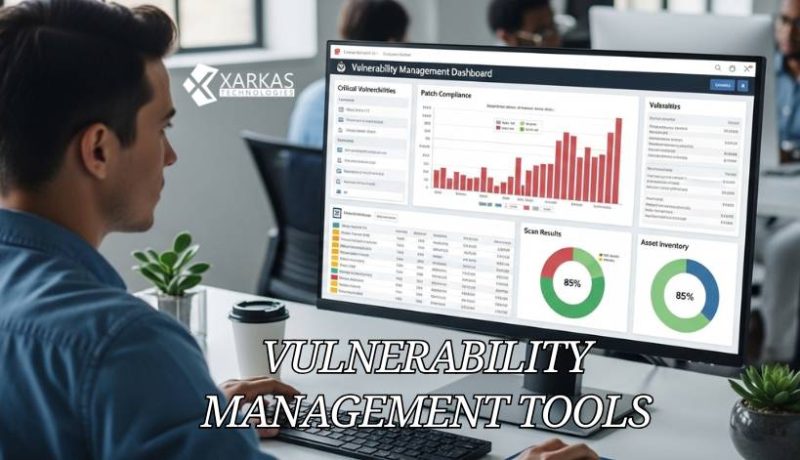
In today’s rapidly evolving digital landscape, vulnerability management tools have become essential for organizations aiming to secure their IT infrastructure. We understand that cyber threats are increasing in sophistication, making it critical to adopt advanced tools that continuously identify, assess, and remediate vulnerabilities before attackers can exploit them.
This comprehensive guide explores the best vulnerability management tools, their features, benefits, and how organizations can leverage them to build a robust cybersecurity framework.
What Are Vulnerability Management Tools?
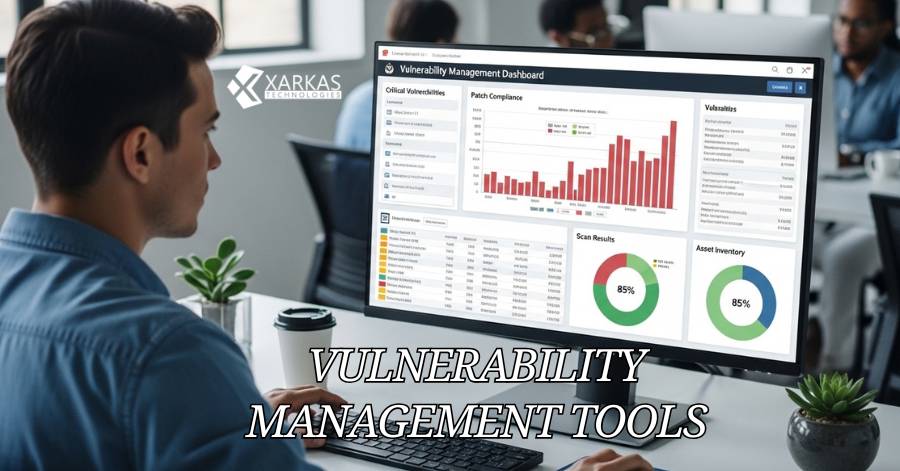
Vulnerability management tools are specialized software solutions designed to detect, classify, prioritize, and remediate security vulnerabilities across networks, applications, and systems. These tools provide continuous monitoring and actionable insights, enabling organizations to maintain a strong security posture.
By automating complex processes, these tools help reduce manual effort while ensuring faster threat detection and response.
Key Features of Advanced Vulnerability Management Tools
1. Continuous Vulnerability Scanning
Modern tools offer real-time and scheduled scanning capabilities to detect vulnerabilities across endpoints, servers, cloud environments, and applications.
2. Risk-Based Prioritization
Not all vulnerabilities carry the same risk. Advanced platforms use AI-driven scoring systems to prioritize threats based on severity, exploitability, and business impact.
3. Automated Remediation
Automation enables faster patch deployment and mitigation strategies, reducing the window of exposure significantly.
4. Asset Discovery and Inventory
These tools maintain an up-to-date inventory of all assets, ensuring no device or application remains unmonitored.
5. Compliance Management
Organizations can align with standards such as ISO 27001, PCI-DSS, and GDPR through built-in compliance reporting features.
6. Integration Capabilities
Seamless integration with SIEM, DevOps tools, and ticketing systems enhances operational efficiency.
Top Vulnerability Management Tools in 2026
1. Tenable Nessus
Tenable Nessus remains a market leader due to its high-accuracy vulnerability detection and extensive plugin library. It provides deep insights into system weaknesses and supports both on-premises and cloud environments.
Key Highlights:
- Advanced configuration auditing
- Comprehensive vulnerability database
- Easy-to-use interface
2. Qualys Vulnerability Management
Qualys offers a cloud-based platform that delivers real-time visibility into global IT assets. Its scalability makes it ideal for enterprises of all sizes.
Key Highlights:
- Cloud-native architecture
- Continuous monitoring
- Integrated patch management
3. Rapid7 InsightVM
Rapid7 InsightVM provides live dashboards and risk analytics to help security teams make informed decisions quickly.
Key Highlights:
- Real-time risk scoring
- Dynamic asset tracking
- Strong reporting capabilities
4. Microsoft Defender Vulnerability Management
This tool integrates seamlessly within the Microsoft ecosystem, offering deep visibility into endpoint vulnerabilities.
Key Highlights:
- Built-in threat intelligence
- Automated remediation workflows
- Integration with Microsoft security solutions
5. OpenVAS
OpenVAS is a powerful open-source vulnerability scanner known for its flexibility and cost-effectiveness.
Key Highlights:
- Regular vulnerability updates
- Highly customizable scans
- Strong community support
Benefits of Using Vulnerability Management Tools
Enhanced Security Posture
Organizations gain proactive threat detection, reducing the risk of data breaches and cyberattacks.
Improved Operational Efficiency
Automation reduces manual workloads, allowing teams to focus on strategic initiatives.
Regulatory Compliance
Built-in reporting ensures adherence to industry standards and regulations.
Cost Savings
Early detection of vulnerabilities helps avoid expensive data breaches and downtime.
How to Choose the Right Vulnerability Management Tool
1. Assess Your Infrastructure
Understand your environment—whether it’s on-premises, cloud-based, or hybrid—to select a compatible tool.
2. Evaluate Scalability
Choose a solution that can grow with your organization’s needs.
3. Check Integration Capabilities
Ensure compatibility with existing security tools and workflows.
4. Focus on Usability
An intuitive interface enhances productivity and reduces training time.
5. Analyze Reporting Features
Detailed reports and dashboards are essential for decision-making and compliance audits.
Best Practices for Effective Vulnerability Management
Implement Continuous Monitoring
Regular scanning ensures that new vulnerabilities are detected promptly.
Prioritize Critical Risks
Focus on vulnerabilities that pose the highest threat to business operations.
Patch Management
Apply updates and patches without delay to minimize exposure.
Employee Awareness
Train employees to recognize potential threats and follow security protocols.
Regular Audits
Conduct periodic security assessments to maintain a strong defense posture.
Future Trends in Vulnerability Management Tools
AI and Machine Learning Integration
AI-driven tools will enhance predictive threat detection and automated response mechanisms.
Cloud Security Focus
As cloud adoption grows, tools will prioritize multi-cloud and hybrid environment security.
DevSecOps Integration
Security will be embedded into the development lifecycle, ensuring vulnerabilities are addressed early.
Zero Trust Architecture
Vulnerability management tools will align with zero trust principles, enforcing strict access controls.
Conclusion
Vulnerability management tools are no longer optional—they are a critical component of modern cybersecurity strategies. By implementing the right tools and following best practices, organizations can effectively identify and mitigate risks, ensuring long-term protection against evolving cyber threats.
Investing in advanced vulnerability management solutions empowers businesses to stay ahead of attackers, maintain compliance, and safeguard sensitive data in an increasingly complex digital ecosystem.




No Comment! Be the first one.