

Table Of Content
- What Is the XXWXX DLL Virus?
- Defining DLL Files and Their Purpose
- How the XXWXX Virus Operates
- The Relationship Between Java and DLL Viruses
- Why Java Applications Are Vulnerable
- Common Attack Vectors Targeting Java Environments
- Signs Your System Is Infected with XXWXX DLL Virus
- Performance Issues and System Slowdowns
- Unusual Pop-ups and Error Messages
- Suspicious Network Activity
- How Does the XXWXX DLL Virus Spread?
- Malicious Downloads and Email Attachments
- Exploiting Java Vulnerabilities
- Outdated Java Runtime Environments
- Unpatched Security Flaws
- The Dangers of the XXWXX DLL Virus
- Data Theft and Privacy Breaches
- System Corruption and File Damage
- Gateway for Additional Malware
- Detecting the XXWXX DLL Virus on Your Computer
- Using Antivirus Software
- Manual Detection Methods
- Checking Task Manager for Suspicious Processes
- Examining System Files and Registry Entries
- How to Remove the XXWXX DLL Virus
- Step-by-Step Removal Guide
- Booting into Safe Mode
- Running Comprehensive Malware Scans
- Deleting Infected Files Manually
- Using Specialized Removal Tools
- Preventing Future XXWXX DLL Infections
- Keeping Java Updated
- Installing Reliable Security Software
- Safe Browsing Practices
- Avoiding Suspicious Downloads
- Being Cautious with Email Attachments
- Best Practices for Java Security
- Configuring Java Security Settings
- Disabling Java When Not Needed
- Regular System Maintenance
- Conclusion
- Frequently Asked Questions (FAQs)
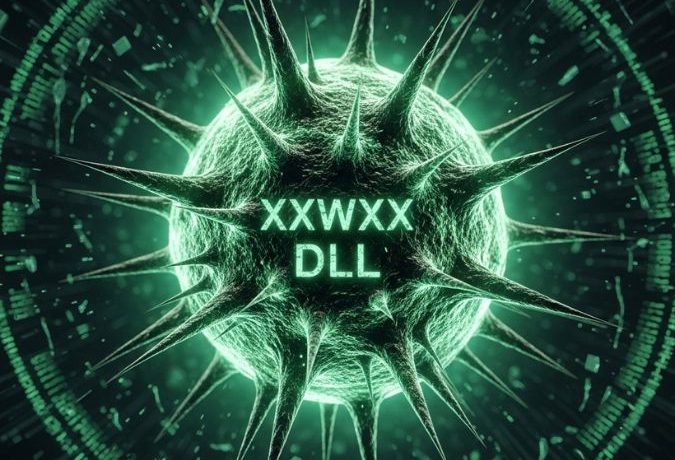
In today’s digital landscape, malware threats are evolving at an alarming rate. Among the various types of malicious software circulating online, DLL viruses have become particularly troublesome for computer users worldwide. One such threat that has gained attention is the XXWXX DLL virus, especially in environments where Java applications are prevalent. But what exactly is this virus, and why should you be concerned about it? Let’s dive deep into understanding this threat and how you can protect yourself.
What Is the XXWXX DLL Virus?
Defining DLL Files and Their Purpose
Before we tackle the virus itself, let’s understand what DLL files are. DLL stands for Dynamic Link Library, and these files contain code and data that multiple programs can use simultaneously. Think of them as shared libraries that help your computer run more efficiently. Instead of each program having its own copy of common functions, they can all reference the same DLL file. Pretty clever, right?
These files are essential components of the Windows operating system and many applications. They help reduce memory usage and promote code reusability. However, this very functionality makes them attractive targets for cybercriminals looking to wreak havoc on your system.
How the XXWXX Virus Operates
The XXWXX DLL virus is a malicious program that disguises itself as a legitimate DLL file. Once it infiltrates your system, it can perform various harmful activities without your knowledge. This sneaky piece of malware often embeds itself deep within your system files, making detection and removal challenging for the average user.
What makes this virus particularly nasty is its ability to replicate and spread throughout your system. It can modify system settings, corrupt files, and even download additional malware onto your computer. The virus operates silently in the background, consuming system resources and potentially compromising your personal information.
The Relationship Between Java and DLL Viruses
Why Java Applications Are Vulnerable
Java is one of the most widely used programming languages globally, powering everything from mobile applications to enterprise software. Its “write once, run anywhere” philosophy has made it incredibly popular among developers. However, this widespread adoption has also made it a prime target for cybercriminals.
Java applications interact with the operating system through various interfaces, including DLL files on Windows systems. When Java applications load external libraries or native code, they can inadvertently open doors for malicious DLL files like XXWXX to enter your system. It’s like leaving your front door unlocked in a neighborhood with active burglars.
Common Attack Vectors Targeting Java Environments
Attackers exploit Java environments through multiple channels. One common method involves compromising legitimate Java applications or plugins. When users download what they believe to be a trustworthy Java update or application, they might unknowingly install the XXWXX DLL virus alongside it.
Another attack vector involves exploiting vulnerabilities in outdated Java Runtime Environments (JRE). If you haven’t updated your Java installation in a while, you’re essentially leaving your system exposed to known security flaws that hackers can easily exploit. It’s similar to using an old lock that everyone knows how to pick.
Signs Your System Is Infected with XXWXX DLL Virus
Performance Issues and System Slowdowns
Have you noticed your computer running slower than usual lately? That might be more than just age catching up with your machine. One of the most common indicators of an XXWXX DLL infection is a significant decrease in system performance. Programs might take longer to open, your computer might freeze randomly, or you might experience unexpected crashes.
These performance issues occur because the virus consumes system resources while running its malicious processes in the background. Your computer is essentially working overtime to accommodate both your legitimate activities and the virus’s nefarious operations.
Unusual Pop-ups and Error Messages
If you’re suddenly seeing strange error messages or pop-ups that you’ve never encountered before, take notice. The XXWXX DLL virus often generates unusual system errors, particularly those mentioning missing or corrupted DLL files. These messages might appear when you’re trying to launch programs or even during system startup.
These aren’t just annoying interruptions—they’re red flags signaling that something isn’t right with your system. Don’t ignore them or simply click through without investigating further.
Suspicious Network Activity
Another telltale sign of infection is unusual network activity. The XXWXX DLL virus might attempt to communicate with remote servers to download additional malware or transmit your personal data to cybercriminals. If your internet connection seems slower than usual or your firewall is blocking suspicious connection attempts, it’s time to investigate.
How Does the XXWXX DLL Virus Spread?
Malicious Downloads and Email Attachments
The XXWXX DLL virus primarily spreads through deceptive means. Cybercriminals often bundle it with seemingly legitimate software downloads or hide it in email attachments. You might think you’re downloading a useful tool or opening an important document, but instead, you’re inviting malware into your system.
These malicious files are often disguised as invoices, shipping notifications, or software updates. They prey on human curiosity and trust, making them remarkably effective at spreading from one system to another.
Exploiting Java Vulnerabilities
Outdated Java Runtime Environments
Running an outdated version of Java is like driving a car with known safety recalls—you’re putting yourself at unnecessary risk. Older Java versions contain security vulnerabilities that have been publicly documented and patched in newer releases. Hackers know about these vulnerabilities and actively exploit them to distribute viruses like XXWXX DLL.
When you visit a compromised website or open a malicious Java application, the attacker can leverage these known vulnerabilities to execute code on your system without your permission. This is why software updates are so crucial—they’re not just about new features; they’re about protecting you from known threats.
Unpatched Security Flaws
Even if you’re running a relatively recent version of Java, failing to install security patches can leave you vulnerable. Software developers continuously discover and fix security issues, releasing patches to address them. When you postpone or ignore these updates, you’re leaving the door open for attackers to exploit those unpatched flaws.
The Dangers of the XXWXX DLL Virus
Data Theft and Privacy Breaches
One of the most alarming aspects of the XXWXX DLL virus is its potential to steal your personal information. The virus can log your keystrokes, capture screenshots, and access files stored on your computer. This means your passwords, financial information, personal photos, and sensitive documents could all be at risk.
Imagine a thief not just breaking into your house, but living there secretly, watching everything you do and copying your personal documents. That’s essentially what this virus does to your digital life.
System Corruption and File Damage
Beyond data theft, the XXWXX DLL virus can cause serious damage to your system files and installed applications. It might corrupt essential system components, leading to application failures or even preventing your operating system from booting properly. In severe cases, you might need to completely reinstall your operating system to recover from the damage.
Gateway for Additional Malware
Perhaps most concerning is that the XXWXX DLL virus often serves as a gateway for additional malware infections. Once it establishes a foothold on your system, it can download and install other malicious programs, including ransomware, spyware, or cryptocurrency miners. Your computer essentially becomes a playground for cybercriminals.
Detecting the XXWXX DLL Virus on Your Computer
Using Antivirus Software
The first line of defense in detecting the XXWXX DLL virus is reliable antivirus software. Modern security solutions use sophisticated algorithms and threat databases to identify known malware signatures. Run a full system scan with your antivirus program to check for infections.
Make sure your antivirus definitions are up to date before scanning. New malware variants emerge constantly, and outdated definitions might miss the latest threats. It’s like trying to identify criminals using outdated wanted posters—you need current information to be effective.
Manual Detection Methods
Checking Task Manager for Suspicious Processes
If you’re tech-savvy, you can manually look for signs of infection. Start by opening Task Manager (press Ctrl+Shift+Esc) and examining the processes running on your system. Look for unfamiliar process names or programs consuming unusually high amounts of CPU or memory resources.
The XXWXX DLL virus might run under various process names, often mimicking legitimate Windows processes with slightly altered spellings. It’s tricky, but paying attention to details can help you spot these imposters.
Examining System Files and Registry Entries
Advanced users can also check system files and registry entries for suspicious modifications. The XXWXX DLL virus typically creates or modifies registry keys to ensure it runs automatically when your computer starts. Navigate to common startup locations in the registry and look for unfamiliar entries.
However, be extremely careful when modifying registry entries—deleting the wrong item can cause serious system problems. If you’re not confident in your technical abilities, it’s better to seek professional help.
How to Remove the XXWXX DLL Virus
Step-by-Step Removal Guide
Booting into Safe Mode
The first step in removing the XXWXX DLL virus is booting your computer into Safe Mode. This special diagnostic mode loads only essential system processes, preventing the virus from running and making it easier to remove. To enter Safe Mode, restart your computer and press F8 repeatedly during startup (the exact key might vary depending on your system).
Once in Safe Mode, you’ll notice your screen looks different—don’t worry, that’s normal. Safe Mode uses basic graphics drivers and a limited set of services to ensure system stability while you perform maintenance tasks.
Running Comprehensive Malware Scans
With your system in Safe Mode, run comprehensive scans using multiple security tools. Don’t rely on just one antivirus program—consider using specialized malware removal tools alongside your primary security software. Programs like Malwarebytes, HitmanPro, or similar tools can detect threats that traditional antivirus might miss.
These scans might take considerable time, especially if you have a lot of files on your computer. Be patient and let them complete thoroughly. Interrupting a scan could leave remnants of the virus on your system.
Deleting Infected Files Manually
After your security scans complete, you might need to manually delete some infected files. Follow the removal instructions provided by your security software carefully. The XXWXX DLL virus might have scattered its components across multiple locations, so thorough cleanup is essential.
Remember to empty your recycle bin after deleting infected files—malware can sometimes restore itself from the recycle bin if not permanently removed.
Using Specialized Removal Tools
Various specialized removal tools exist specifically designed to combat stubborn malware like the XXWXX DLL virus. These tools often provide more aggressive cleaning options than standard antivirus programs. Research reputable removal tools specific to DLL viruses and follow their instructions carefully.
Preventing Future XXWXX DLL Infections
Keeping Java Updated
Prevention is always better than cure, especially when it comes to malware. The single most effective way to protect yourself against Java-related threats is keeping your Java installation current. Enable automatic updates if possible, or regularly check for new versions manually.
When you receive update notifications, don’t postpone them. Those updates contain critical security patches that protect you from known vulnerabilities. Spending five minutes updating now can save you hours of cleanup later.
Installing Reliable Security Software
Invest in comprehensive security software from reputable vendors. Free antivirus solutions provide basic protection, but premium options typically offer more robust features like real-time protection, firewall integration, and advanced threat detection. Think of it as insurance for your digital life—you hope you’ll never need it, but you’ll be grateful to have it when trouble strikes.
Safe Browsing Practices
Avoiding Suspicious Downloads
Exercise caution about what you download and from where. Only download software from official websites or trusted sources. If a download seems too good to be true—like a paid program offered for free—it probably is. Cybercriminals often use pirated software as bait to distribute malware.
Before downloading anything, research the file or program. Read reviews, check forums, and verify the source’s legitimacy. A few minutes of research can prevent a world of trouble.
Being Cautious with Email Attachments
Email remains one of the most common infection vectors for malware. Never open attachments from unknown senders, and be skeptical even of attachments from known contacts if they seem unexpected or unusual. When in doubt, contact the sender through an alternative method to verify they actually sent the file.
Pay attention to file extensions. Executable files (.exe, .bat, .scr) are particularly risky, especially when disguised with multiple extensions like “document.pdf.exe.” Legitimate documents rarely come as executable files.
Best Practices for Java Security
Configuring Java Security Settings
Take time to properly configure your Java security settings. Access the Java Control Panel and set the security level to “High” to block potentially unsafe content. You can also manage which websites are allowed to run Java content by maintaining a whitelist of trusted sites.
These settings might occasionally block legitimate Java applications, but it’s better to err on the side of caution. You can always add exceptions for trusted sites when needed.
Disabling Java When Not Needed
Here’s a radical idea: if you don’t regularly use Java applications, consider disabling or uninstalling Java entirely. Many users have Java installed on their systems without actually needing it for daily tasks. Removing unused software reduces your attack surface and eliminates one potential vulnerability.
If you need Java occasionally, you can reinstall it when required. Yes, it’s a bit inconvenient, but it significantly improves your security posture.
Regular System Maintenance
Maintain your computer regularly by running disk cleanups, defragmenting your hard drive, and reviewing installed programs. Remove software you no longer use—each installed program represents a potential security risk if it contains vulnerabilities. Keep your operating system and all installed software updated to ensure you have the latest security patches.
Regular maintenance isn’t just about performance; it’s about security. A well-maintained system is a more secure system.
Conclusion
The XXWXX DLL virus represents a significant threat, particularly for systems running Java applications. Understanding how this malware operates, spreads, and can be detected is crucial for protecting your digital assets. While the threat is real, you’re not helpless against it. By maintaining updated software, practicing safe computing habits, using reliable security tools, and staying informed about emerging threats, you can significantly reduce your risk of infection.
Remember that cybersecurity isn’t a one-time task but an ongoing process. Stay vigilant, keep your systems updated, and don’t let your guard down. Your digital security is worth the effort, and the time you invest in prevention will always be less than the time required to recover from an infection.
Frequently Asked Questions (FAQs)
1. Can the XXWXX DLL virus affect Mac or Linux systems?
The XXWXX DLL virus primarily targets Windows systems since DLL files are specific to Windows operating systems. However, similar malware concepts exist for Mac and Linux platforms. Java vulnerabilities can affect all operating systems, so maintaining updated Java installations and practicing safe computing habits is important regardless of your operating system.
2. Is it safe to continue using my computer while infected with the XXWXX DLL virus?
It’s not recommended to continue using an infected computer for sensitive activities like online banking or shopping. The virus could be logging your keystrokes and stealing your personal information. Disconnect from the internet immediately and begin the removal process as soon as you suspect an infection. If you must use your computer, stick to offline activities until the threat is eliminated.
3. How long does it take to completely remove the XXWXX DLL virus?
Removal time varies depending on the severity of the infection and your computer’s specifications. A complete scan and removal process typically takes anywhere from one to several hours. Severe infections might require multiple scans with different tools and possibly manual intervention. Don’t rush the process—thorough removal is more important than speed.
4. Can system restore remove the XXWXX DLL virus?
System restore might remove the virus if you restore to a point before the infection occurred. However, some sophisticated malware can survive system restores by infecting restore points themselves. System restore should be considered a supplementary measure rather than a primary removal method. Always follow up with comprehensive malware scans even after performing a system restore.
5. Do I need to change my passwords after removing the XXWXX DLL virus?
Absolutely yes. After successfully removing the virus, change all your important passwords immediately—especially for email, banking, social media, and other sensitive accounts. The virus may have captured your credentials while it was active on your system. Change passwords from a clean, uninfected device if possible, and consider enabling two-factor authentication for added security on important accounts.


No Comment! Be the first one.