


Radioactive Shrimp Recall: Complete Guide to Safety, Detection, and Consumer Protection

Table Of Content
- Understanding the Radioactive Shrimp Contamination Crisis
- What Caused the Radioactive Shrimp Contamination
- Identifying Affected Products in the Recall
- Health Risks Associated with Radioactive Shrimp Consumption
- Regulatory Response and Testing Protocols
- Steps Consumers Should Take Immediately
- How Retailers and Restaurants Are Responding
- Prevention Measures and Future Safeguards
- Scientific Understanding of Radioactive Contamination
- Global Impact on the Seafood Industry
- Expert Recommendations for Safe Seafood Selection
- Conclusion: Moving Forward After the Recall
Understanding the Radioactive Shrimp Contamination Crisis
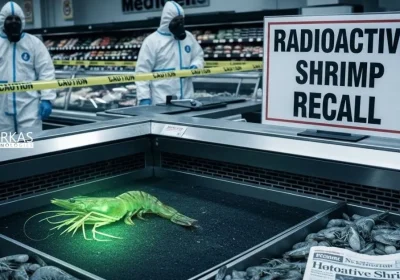
The recent radioactive shrimp recall has sent shockwaves through the seafood industry and raised critical questions about food safety protocols worldwide. We recognize the severity of this situation and the urgent need for comprehensive information to protect consumers and restore confidence in seafood supply chains.
Radioactive contamination in seafood represents one of the most serious food safety concerns facing modern consumers. When shrimp or other marine products become contaminated with radioactive materials, they pose significant health risks that extend far beyond typical foodborne illnesses. The current recall situation demands immediate attention from consumers, retailers, and regulatory authorities.
What Caused the Radioactive Shrimp Contamination
The contamination of shrimp with radioactive materials typically occurs through several pathways. Environmental disasters, particularly nuclear incidents near coastal regions, can release radioactive isotopes into ocean waters. These isotopes accumulate in marine organisms through a process called bioaccumulation, where contamination concentrates as it moves up the food chain.
Industrial discharge from facilities handling radioactive materials presents another significant risk factor. When proper containment protocols fail, radioactive substances can enter waterways and eventually reach shrimp farming areas or natural shrimp habitats. The persistence of certain radioactive isotopes means contamination can remain detectable for extended periods.
Natural geological processes can also contribute to radioactive material presence in marine environments, though this typically occurs at lower levels than industrial or disaster-related contamination. We emphasize that the current recall situation primarily stems from human-related sources rather than natural phenomena.
Identifying Affected Products in the Recall
Consumers must understand which products fall under the radioactive shrimp recall to protect themselves effectively. Recalled shrimp products include various forms: fresh, frozen, cooked, and processed varieties. The recall encompasses both wild-caught and farm-raised shrimp from specific regions and time periods.
Product identification requires careful attention to packaging details. We advise consumers to examine lot numbers, processing dates, and origin information printed on product labels. Retailers have received detailed lists of affected products, including UPC codes, brand names, and distribution dates that help identify contaminated batches.
The geographic scope of this recall extends across multiple states and potentially international borders. Shrimp products distributed through major retailers, specialty seafood markets, and food service establishments may be affected. We recommend checking with specific retailers for comprehensive lists of recalled products available in your area.
Health Risks Associated with Radioactive Shrimp Consumption

Radiation exposure through contaminated food presents both immediate and long-term health concerns. Short-term effects may include nausea, vomiting, and digestive distress, though these symptoms might not appear immediately after consumption. The severity of effects depends on exposure levels and duration of consumption.
Long-term health implications carry more serious concerns. Radioactive contamination can increase cancer risk, particularly thyroid cancer, leukemia, and other malignancies. Certain radioactive isotopes accumulate in specific body tissues, creating concentrated exposure that persists long after initial consumption.
Vulnerable populations face heightened risks from radioactive contamination. Pregnant women, nursing mothers, children, and individuals with compromised immune systems require special attention. We strongly advise these groups to exercise extreme caution and completely avoid any potentially contaminated products.
Regulatory Response and Testing Protocols
Government agencies worldwide have implemented rigorous testing protocols following the discovery of radioactive contamination. The Food and Drug Administration (FDA), Environmental Protection Agency (EPA), and international equivalents conduct sophisticated testing using gamma spectroscopy and other advanced detection methods.
Testing procedures examine multiple radioactive isotopes including cesium-137, strontium-90, and iodine-131. These isotopes serve as markers for different contamination sources and help authorities trace contamination origins. Laboratory analysis requires specialized equipment and trained personnel to ensure accurate results.
Import controls have been strengthened significantly in response to this crisis. Customs agencies now subject seafood shipments from affected regions to mandatory testing before allowing distribution. This enhanced scrutiny aims to prevent contaminated products from reaching consumers while investigation and remediation continue.
Steps Consumers Should Take Immediately
Check your freezer and refrigerator for any shrimp products matching recall descriptions. Compare product information against official recall lists published by regulatory authorities and major retailers. Do not consume any products that might be affected, even if you’re uncertain about their status.
Return or dispose of recalled products according to official guidance. Most retailers offer full refunds for recalled items, even without receipts in many cases. If disposal becomes necessary, seal products in plastic bags before placing them in trash to prevent potential cross-contamination.
Monitor your health if you’ve consumed potentially contaminated shrimp. While immediate symptoms may not appear, we recommend consulting healthcare providers if you experience unusual symptoms or have concerns about exposure. Medical professionals can order specialized tests to assess radiation exposure if warranted.
How Retailers and Restaurants Are Responding
Major retailers have implemented comprehensive recall procedures to remove affected products from shelves immediately. Store personnel receive training to identify recalled items and prevent sales of contaminated inventory. Point-of-sale systems often include alerts that flag recalled products during checkout attempts.
Restaurant chains face unique challenges in recall situations. Many establishments purchase seafood in bulk from multiple suppliers, complicating tracking efforts. Responsible restaurants conduct thorough inventory reviews and temporarily remove shrimp dishes from menus until they verify supply chain integrity.
Supplier relationships undergo intense scrutiny as businesses seek to prevent future contamination incidents. We observe increased demand for detailed supply chain documentation, including harvest locations, processing facilities, and transport methods. This transparency helps establish accountability and builds consumer confidence.
Prevention Measures and Future Safeguards
Enhanced monitoring systems now track seafood from harvest to consumer more comprehensively than ever before. Blockchain technology and other digital solutions enable real-time tracking of product origins and movement through supply chains. These innovations provide unprecedented transparency and rapid response capabilities.
International cooperation strengthens protective measures against radioactive contamination. Countries share testing data, coordinate inspection protocols, and establish unified standards for acceptable radiation levels in food products. This collaborative approach creates more robust protection than individual national efforts alone.
Industry investment in safety infrastructure continues growing as businesses recognize the critical importance of contamination prevention. Seafood processors install advanced detection equipment, implement rigorous testing schedules, and establish quality control systems that identify problems before products reach distribution channels.
Scientific Understanding of Radioactive Contamination
Radioactive isotopes behave differently in marine environments based on their chemical properties. Some isotopes dissolve in water and disperse widely, while others bind to sediments or accumulate in organic matter. Understanding these behaviors helps predict contamination patterns and identify high-risk areas.
Bioaccumulation mechanisms concentrate radioactive materials as they move through food chains. Smaller organisms absorb contaminants from water or sediment, then larger predators consume multiple contaminated prey items, resulting in higher concentration levels. Shrimp, as bottom-feeders, face particular exposure risks from sediment-bound contaminants.
Half-life considerations determine how long radioactive contamination remains detectable and dangerous. Isotopes with shorter half-lives decay relatively quickly, reducing contamination concerns over time. However, long-lived isotopes like cesium-137, with a half-life of 30 years, create persistent contamination challenges requiring extended monitoring.
Global Impact on the Seafood Industry
Economic consequences of radioactive contamination extend far beyond immediate recall costs. Consumer confidence erosion affects sales across entire product categories, even for uncontaminated seafood. Fishing communities dependent on shrimp harvesting face income loss and uncertain futures during contamination events.
Trade relationships experience strain when contamination crosses international borders. Importing nations may impose broad restrictions on seafood from affected regions, impacting even products meeting safety standards. These trade barriers create diplomatic challenges alongside economic hardships.
Industry restructuring often follows major contamination events as businesses adapt to new realities. Some operations relocate to unaffected areas, while others invest heavily in contamination prevention and detection. Market dynamics shift as consumer preferences change and alternative protein sources gain market share.
Expert Recommendations for Safe Seafood Selection
Source verification represents the most critical factor in selecting safe seafood products. We recommend purchasing from retailers who provide detailed origin information and demonstrate commitment to rigorous testing protocols. Established suppliers with long-standing reputations generally maintain higher safety standards.
Diversification of seafood choices reduces exposure risks while maintaining nutritional benefits. Rather than consuming shrimp exclusively, we suggest rotating various seafood types from different geographic regions. This approach minimizes cumulative exposure to any single contamination source.
Stay informed about ongoing developments through official channels including regulatory agency websites, reputable news sources, and industry publications. Contamination situations evolve rapidly, and staying current with the latest information enables better decision-making about seafood consumption.
Conclusion: Moving Forward After the Recall
The radioactive shrimp recall serves as a stark reminder of interconnected food safety challenges in our globalized world. Vigilance, transparency, and cooperation among regulators, industry participants, and consumers remain essential for protecting public health and maintaining confidence in seafood supplies.
We must recognize that while this crisis presents serious concerns, the response demonstrates the effectiveness of modern food safety systems. Rapid detection, comprehensive recalls, and enhanced monitoring show that protective mechanisms function when properly implemented and supported.
Consumer empowerment through information enables individuals to make informed choices about seafood consumption. By understanding contamination risks, recognizing recalled products, and following expert recommendations, we collectively contribute to safer food systems and better outcomes for everyone.




No Comment! Be the first one.